Home Page
Education through experience & discovery
Our mission: to empower every government school teacher to create an experiential learning environment in their classrooms.Learn More 
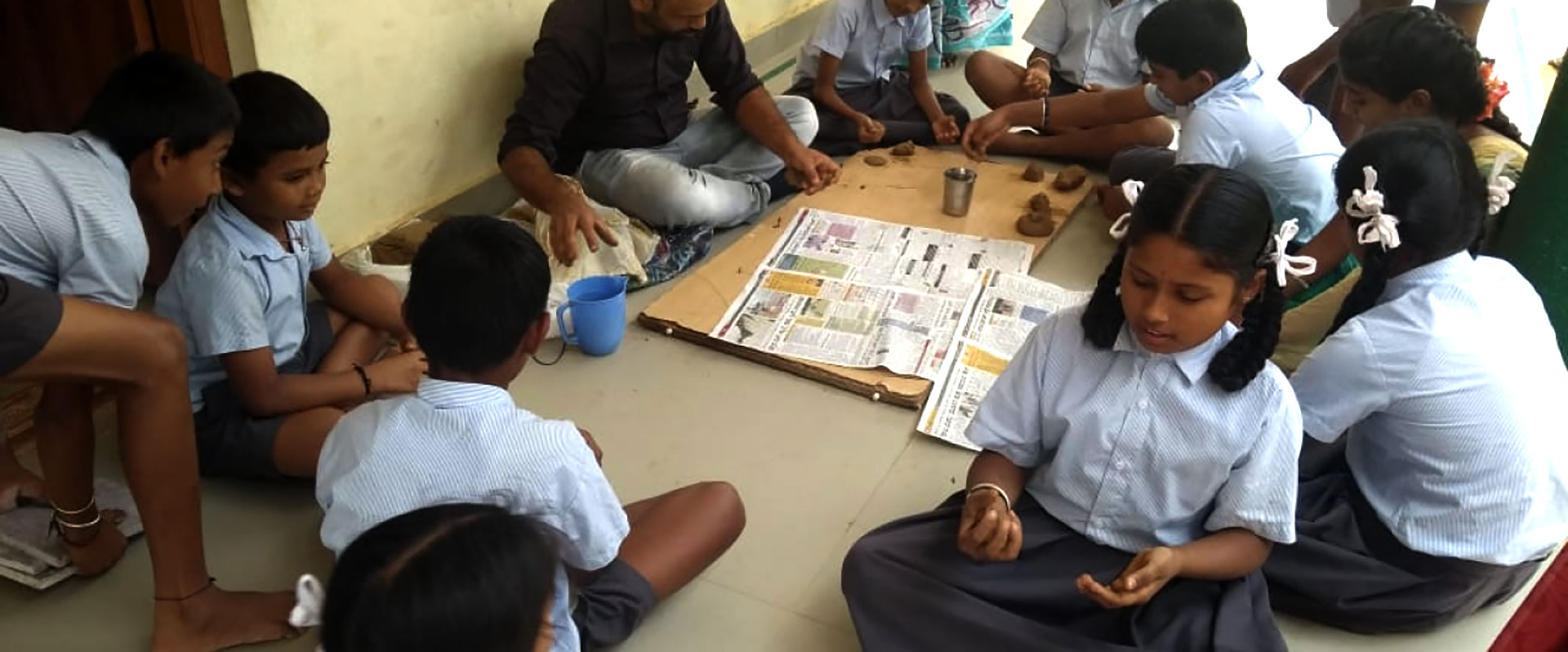

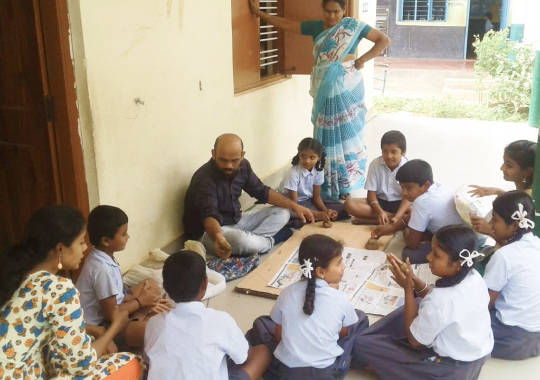
A new way to look at education
The rapidly evolving industry requires the education system to create individuals who are equipped with 21st century skills who are capable of solving real world problems.
Indian education policies like the National Education Policy 2020 point to experiential learning methodologies as the key to developing the needed 21st century skills like creativity, communication, collaboration and real-world problem solving.
Watch the video on what experiential teaching in classrooms looks like.
Sustainable Development Goal
We contribute to ensuring inclusive and equitable quality education
SDG 4 content will go here.
SDG 5 content will go here.
SDG 10 content will go here.
SDG 17 content will go here.

Our Footprint
number of districts
number of schools
number of teachers
number of students
Our solution
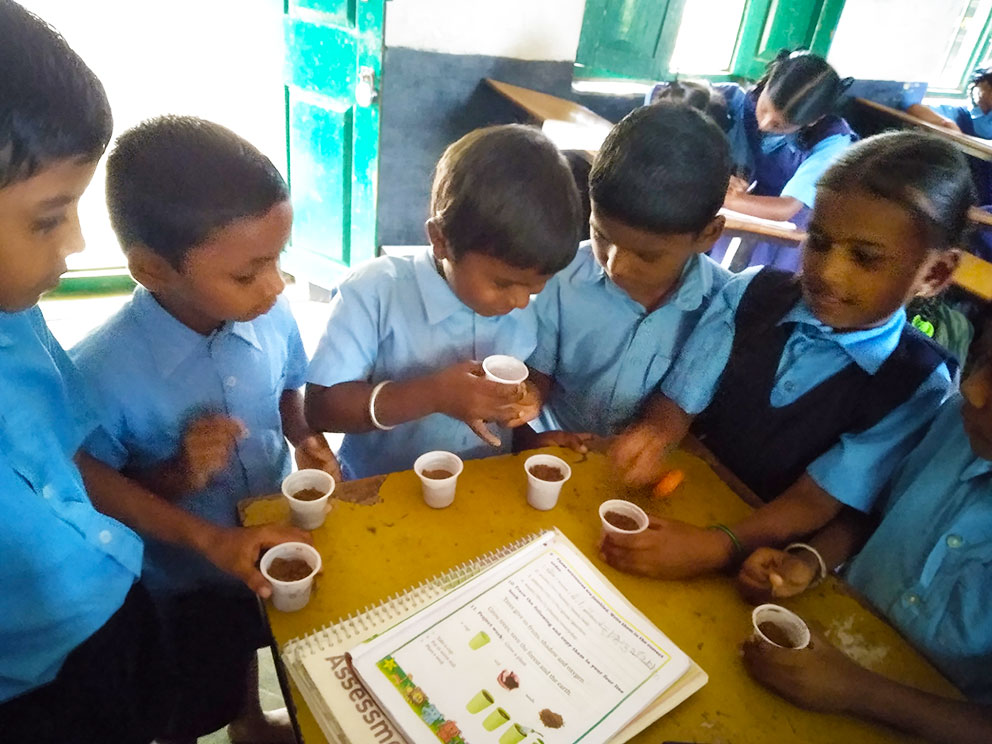
Empowering teachers to adopt experiential teaching methods through

Content CreationDesign and Develop
Create a variety of experiential teaching resources, including lesson plans, worksheets, project-based learning modules, teacher manuals, and training handbooks. These resources are developed through a thorough research process and are available in local Indian languages at no cost, covering crucial subjects such as Mathematics, Science, and English.

System StrengtheningTeacher Training Programme
Facilitates and conducts experiential teacher training programmes on Maths , English and Science, that employ effective instructional design strategies and utilize various technology platforms for online, in-person, and blended learning formats based on specific operational needs to enhance the teaching-learning process in government schools.

Impact & SustainabilityReview and Assessments
Facilitates and conducts experiential teacher training programmes on Maths , English and Science, that employ effective instructional design strategies and utilize various technology platforms for online, in-person, and blended learning formats based on specific operational needs to enhance the teaching-learning process in government schools.
Implementation of the solution is powered by our technology platform called Teachopia that supports effective execution and scalability
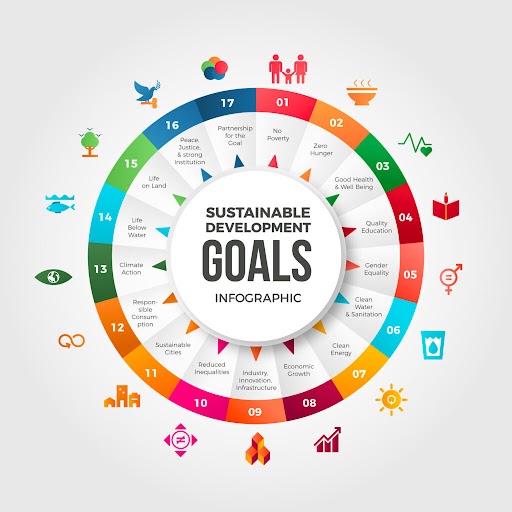
Our work is aligned with
NEP 2020
Recommendations in the National Education Policy (NEP) 2020
UN SDGs
We support achieving Sustainable Development Goals (SDGs)
Our Partners